The Ultimate Guide to SEO
Search Engine Optimization (SEO) is one of the most essential digital marketing strategies for businesses aiming to succeed online. At its core, SEO is the practice of improving your website so it becomes more visible to people searching online for products, services, or information related to your business. By carefully aligning your site's content, structure, and performance with what search engines like Google, Bing, and Yahoo consider valuable, you increase your chances of ranking higher on the Search Engine Results Pages (SERPs). Higher rankings lead to greater visibility, credibility, and ultimately, more organic (non-paid) traffic, conversions, and revenue. Understanding and effectively implementing SEO requires strategic planning, consistent effort, and staying updated with the ever-changing algorithms and trends in search behavior.
This guide will explore the three critical pillars of SEO: On-page Optimization, Technical SEO, and Backlinking strategies, providing actionable advice to help your website thrive online.
1. On-Page SEO: Crafting Content That Ranks
On-page SEO refers to the process of optimizing individual web pages to improve their search engine rankings and attract relevant traffic. It involves enhancing both the content that users see and the underlying HTML code that search engines rely on to understand your site's structure and purpose. By implementing strong on-page SEO practices, you help search engines interpret your content accurately, ensuring your pages appear in search results for the most relevant queries. Effective on-page SEO starts with creating high-quality, informative content that meets user intent. Search engines prioritize content that answers questions, solves problems, or provides value, so focusing on clarity, depth, and relevance is crucial to your website. This includes naturally integrating targeted keywords in key areas such as page titles, headings, and throughout the body content. However, keyword usage should feel natural and avoid overstuffing, as Google’s algorithm and other search engines algorithm's are designed to recognize and penalize manipulative tactics. Beyond content, optimizing your HTML code plays a vital role. Elements such as title tags, meta descriptions, and structured data provide search engines with clear signals about your content's topic and intent. Crafting descriptive yet concise title tags and meta descriptions can significantly improve your click-through rates, while structured data (also known as schema markup) helps enhance your presence in search results by enabling features like rich snippets. Internal linking is another critical component of on-page SEO. By strategically linking related pages within your website, you not only improve navigation for users but also help search engines understand the relationships between different pieces of content. This strengthens your website's overall structure and can improve rankings for important pages. Lastly, ensuring your website's content is easy to read and accessible is equally important. Using clear headings, short paragraphs, and multimedia elements such as images and videos can improve user experience and increase engagement - factors that search engines increasingly prioritize when ranking web pages. On-page SEO is not a one-time task but an ongoing process. By continuously refining your content, improving internal linking, and ensuring technical elements are optimized, you'll improve your site's chances of ranking higher in search engine results and attracting more qualified traffic.
On-page SEO is a multi-faceted process that requires attention to several important elements. While optimizing technical aspects like HTML code is crucial, content quality and keyword strategy play equally vital roles in ensuring your website ranks effectively. One of the most impactful steps in improving on-page SEO is ensuring your keywords are optimized effectively while maintaining content that is both valuable and relevant to your audience.
Let's explore some key strategies you can implement to improve keyword usage, content quality, and overall page relevance:
Keyword Optimization
Choosing the right keywords is foundational to SEO success. Keywords are the terms and phrases that users enter into search engines to find information, and aligning your content with these queries significantly improves your chances of ranking well. However, successful keyword optimization isn’t just about picking popular terms—it’s about understanding search intent and ensuring your content directly answers user needs.
Start by performing thorough keyword research using tools like Google Keyword Planner, Ahrefs, or SEMrush. These platforms provide insights into search volume, competition, and related terms, helping you identify valuable keywords for your content. Focus on a combination of both primary keywords—broad terms with high search volume—and long-tail keywords, which are more specific phrases that often have lower competition but stronger conversion potential.
Once you’ve identified your target keywords, integrate them naturally throughout your content. This includes placing keywords in strategic locations such as:
- Page titles
- Headings and subheadings (H1, H2, H3 tags)
- Body content
- Image alt text (important for accessibility and SEO)
- URL structures
However, avoid keyword stuffing—overusing keywords unnaturally just to manipulate search engines. Search engines like Google and others prioritize content that reads naturally and genuinely addresses user queries, so focus on seamless integration rather than excessive repetition.
Creating High-Quality, Relevant Content
While keyword optimization is crucial, content quality remains the heart of effective on-page SEO. Search engines are designed to prioritize content that delivers real value, answers questions, and engages readers. High-quality content not only improves search rankings but also encourages visitors to stay longer on your site, reducing bounce rates and increasing engagement.
To create content that resonates with both users and search engines:
- Write informative, well-researched content that comprehensively addresses the topic at hand.
- Ensure your content is original—duplicate or copied content can negatively affect rankings.
- Structure your content clearly with well-defined headings and subheadings to improve readability and help search engines understand your content’s structure.
- Craft compelling meta titles and descriptions that accurately summarize your content while encouraging users to click through from search results.
- Regularly update older content to ensure it remains relevant, accurate, and aligned with current search trends.
In addition to informative text, consider adding visual elements such as images, infographics, and videos to improve engagement. Multimedia content enhances user experience and provides additional opportunities to integrate keywords through image alt text and video descriptions.
Internal Linking Structure
Internal linking is a powerful yet often overlooked element of on-page SEO. By strategically linking related pages within your site, you guide both users and search engine crawlers to discover important content. This strengthens your website’s structure and helps search engines understand the relationships between your pages.
When building internal links:
- Link to relevant content that expands on or supports the current topic to keep readers engaged.
- Use descriptive anchor text that clearly indicates the linked page’s content. Avoid generic text like "click here" whenever possible.
- Maintain a natural linking strategy—avoid overloading pages with excessive internal links as this can overwhelm readers and reduce SEO benefits.
A well-organized internal linking structure improves user experience, encourages visitors to explore additional content, and helps search engines prioritize your most important pages.
By combining effective keyword optimization, high-quality content creation, and strategic internal linking, you’ll build a strong foundation for on-page SEO success. These practices ensure your content remains valuable, relevant, and discoverable, ultimately improving your site’s visibility in search engine results.
2. Technical SEO: Making Your Website Search-Engine Friendly
Technical SEO ensures search engines can crawl, index, and understand your website without issues. Technical optimization significantly impacts site visibility and user experience.
Optimize Your Site Speed
A fast-loading site improves user experience and rankings:
- Compress and optimize images for faster load times.
- Minify JavaScript, CSS, and HTML files to reduce page size.
- Leverage browser caching and Content Delivery Networks (CDNs).
Mobile Responsiveness
With mobile searches surpassing desktop, having a responsive website is essential:
- Ensure your website adjusts seamlessly across all screen sizes.
- Implement a mobile-first approach, prioritizing mobile experience during design and development.
Website Security (HTTPS)
Google favors secure websites, and visitors trust sites that protect their data:
- Obtain an SSL certificate to enable HTTPS encryption.
- Regularly update your security certificates and protocols.
Structured Data and XML Sitemaps
Structured data helps search engines understand your content contextually, improving your chances of appearing in rich snippets:
- Create an XML sitemap to help search engines easily discover your pages.
- Implement Schema.org markup to enhance visibility through rich results in SERPs.
3. Backlinking: Building Your Website’s Authority
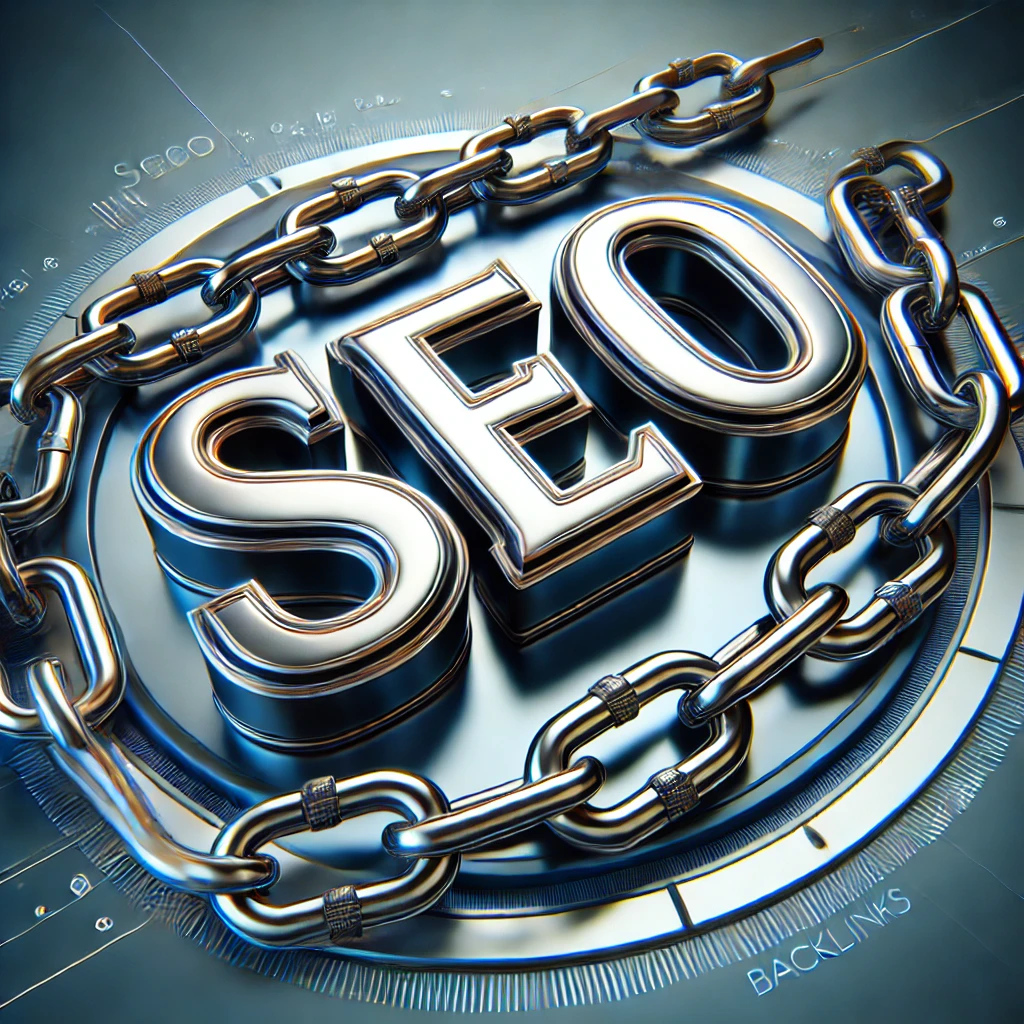
Backlinks - links from external websites pointing back to your site - signal credibility and relevance to search engines. High-quality backlinks improve your site's authority and rankings significantly.
The Value of Quality Backlinks
Not all backlinks hold the same value. Prioritize:
- Links from authoritative, relevant websites in your industry.
- Natural backlinks integrated organically within meaningful content.
- Diverse backlink profiles (blogs, directories, media mentions, etc.).
Backlinking Best Practices
To build a healthy backlink profile, adopt these ethical practices:
- Guest Blogging: Contribute valuable content to trusted industry websites and secure backlinks naturally.
- Content Outreach: Reach out to bloggers or media sites with unique content that their audience would appreciate sharing.
- Directory Listings: List your business on reputable, industry-specific directories to build credibility and authoritative backlinks.
- Content Marketing: Publish high-quality content regularly to attract organic backlinks.
Backlinking Pitfalls to Avoid
While backlinks are powerful, steer clear of common pitfalls:
- Avoid buying links or participating in link schemes, as these can lead to penalties from Google.
- Don’t engage in excessive reciprocal linking; focus instead on genuine, relevant relationships.
Monitoring Your SEO Progress
Consistently tracking your SEO efforts helps refine strategies and boost success:
- Regularly use tools like Google Search Console, SEMrush, Moz, and Ahrefs to measure traffic, rankings, backlinks, and keyword performance.
- Analyze user behavior metrics such as bounce rates, session duration, and page views to refine your content.
Final Thoughts: SEO is a Long-Term Strategy
SEO isn't a quick fix - it's a continuous investment in your website’s future. By consistently applying strong on-page optimization, maintaining excellent technical health, and ethically building your backlink profile, you'll set your website on a trajectory for sustainable, long-term growth.
If you’re looking to elevate your SEO strategy and drive more organic traffic, our team is here to help. Connect with us today for tailored solutions and guidance.