

Custom Website Development vs. Website Templates
Building a website is an essential part of establishing a successful online presence, regardless of the industry you’re in. Whether you’re starting a new business or upgrading your existing website, one of the most important decisions you’ll face is choosing between custom website development and website templates. Both approaches have their own unique advantages and drawbacks, and the right choice depends on your business goals, budget, and technical requirements.
In this article, we’ll compare custom website development and website templates in depth, examining the pros and cons of each. By the end, you’ll have a clear understanding of which option is best for your business and what factors to consider when making your decision.
Understanding Custom Website Development
Custom website development refers to the process of building a website from scratch, designed specifically to meet the unique needs and goals of your business. This approach involves working with web developers, designers, and potentially other specialists to create a website that is entirely tailored to your vision. A custom-built website offers maximum flexibility, allowing you to incorporate unique features, custom functionality, and design elements that set your site apart from competitors.
Custom website development requires a significant investment of time, money, and expertise, as it often involves coding, testing, and optimizing the website for performance and user experience. While it’s a more complex process, custom websites provide a high level of control over the final product, making it an ideal option for businesses with specific branding, functionality, or scalability needs.
What Are Website Templates?
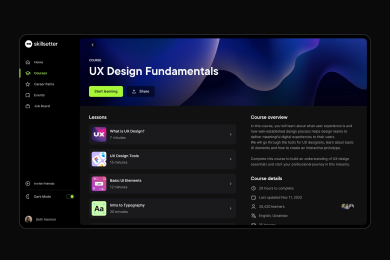
Website templates, on the other hand, are pre-designed website layouts and structures that can be customized to fit your business’s branding and content. Templates are available for various platforms such as WordPress, HTML/CSS, and React, and they offer a quick, cost-effective way to build a professional-looking website.
Templates come with ready-made layouts, fonts, color schemes, and basic functionality, making them easy to set up even for those with minimal web development experience. They can be a great choice for businesses that need a website fast or have limited resources. While templates offer convenience, they may not provide the same level of flexibility or customization as custom-built websites, depending on the template you choose.
Pros and Cons of Custom Website Development
Let’s explore the advantages and disadvantages of choosing custom website development for your business.
Pros of Custom Website Development
1. Full Customization and Flexibility
Custom websites are built from the ground up, giving you complete control over every aspect of the design and functionality. This flexibility allows you to create a website that perfectly aligns with your brand, business goals, and target audience. Whether you need specific interactive features, a complex navigation structure, or a unique design, custom development makes it possible.
Why this matters: Full customization ensures that your website stands out from competitors and provides a unique user experience. It’s especially important for businesses with specific requirements, such as e-commerce stores with custom checkout processes or service providers needing online booking systems.
2. Scalability for Future Growth
A custom-built website can be designed to grow with your business. As your business expands, you may need to add new features, pages, or services. A custom website allows you to scale up without needing to rebuild the entire site from scratch. Developers can build the infrastructure with future growth in mind, making it easier to implement changes down the road.
Why this matters: Scalability is essential for businesses planning to grow their online presence. Custom websites can be adjusted to meet evolving needs without compromising performance or design.
3. Unique Branding and User Experience
Custom websites allow you to create a unique brand identity that sets your business apart from competitors. Every element of the design, from colors and fonts to layouts and animations, can be customized to reflect your brand’s personality. This also allows for a better user experience (UX), as you can optimize the design to guide users through the site in a way that aligns with your business goals.
Why this matters: A well-designed custom website strengthens your brand’s image and provides a seamless user experience, making it easier to convert visitors into customers.
4. Better Performance and Security
Custom websites are typically more secure and perform better than template-based websites. Developers can optimize the website’s code to ensure faster loading times, smoother functionality, and better performance across all devices. Additionally, custom websites are less likely to have vulnerabilities, as they aren’t using widely distributed code that hackers often target.
Why this matters: A fast, secure website improves user satisfaction and can lead to higher search engine rankings, driving more traffic to your site.
Cons of Custom Website Development
1. Higher Cost
The most significant drawback of custom website development is the cost. Because custom websites require more time, expertise, and resources to build, they are generally more expensive than using a template. Small businesses or startups with limited budgets may find custom development to be cost-prohibitive, especially if they need complex features or ongoing maintenance.
Why this matters: While custom websites provide long-term value, the upfront investment can be a barrier for businesses with tight budgets. It’s important to weigh the cost against the potential return on investment (ROI) to determine if it’s the right choice for your business.
2. Longer Development Time
Building a custom website takes time. Depending on the complexity of the project, it can take several weeks or even months to complete. The process involves multiple stages, including planning, design, development, testing, and deployment. If you need to launch a website quickly, custom development may not be the best option.
Why this matters: The longer development timeline can delay your ability to establish an online presence, which could affect your ability to generate leads, sell products, or promote your brand.
3. Requires Ongoing Maintenance
Custom websites often require ongoing maintenance to ensure that they remain secure, functional, and up to date with the latest technologies. While templates usually receive regular updates from their creators, custom websites rely on developers to implement updates and patches. This can lead to additional costs and effort over time.
Why this matters: If you don’t have an in-house developer or the resources to hire one, ongoing maintenance can become an ongoing challenge.
Pros and Cons of Website Templates
Now, let’s take a look at the pros and cons of using website templates for your business.
Pros of Website Templates
1. Cost-Effective
Website templates are one of the most affordable options for building a website. Pre-designed templates are available at a fraction of the cost of custom website development, making them an excellent choice for small businesses, startups, and entrepreneurs with limited budgets. Many templates are even available for free, although premium options may come with more advanced features.
Why this matters: Templates provide a budget-friendly solution for businesses that need a professional website but don’t have the resources to invest in custom development.
2. Quick Setup and Launch
With website templates, you can have a website up and running in a matter of hours or days, depending on how much customization is required. Templates come with pre-built layouts and functionality, so all you need to do is add your content, customize the design to match your brand, and publish the site. This makes templates an ideal solution for businesses that need to launch quickly.
Why this matters: If you need a website launched quickly to start generating leads or promoting your products, templates offer a fast, convenient solution.
3. User-Friendly
Most website templates are designed to be user-friendly, with drag-and-drop builders or intuitive customization tools that make it easy to personalize the website without needing to write any code. Platforms like WordPress or Wix offer a wide variety of templates with built-in customization options, so even non-technical users can create a professional-looking website.
Why this matters: For small businesses or individuals who don’t have access to developers, templates provide an easy way to create and manage a website without technical skills.
4. Regular Updates and Support
Most premium templates are supported by their creators or development teams, ensuring that they receive regular updates to fix bugs, improve performance, and add new features. Additionally, many template providers offer customer support, so if you run into issues, you can get assistance.
Why this matters: With regular updates and ongoing support, you can ensure that your template-based website remains secure and functional over time.
Cons of Website Templates
1. Limited Customization
While templates offer a range of customization options, they are limited in terms of design flexibility and functionality compared to custom websites. You may find yourself restricted by the layout, features, or overall structure of the template, especially if you need specific functionality that isn’t supported by the template’s design.
Why this matters: If your business requires unique features or a highly customized design, you may find that a template doesn’t provide the flexibility you need.
2. Lack of Uniqueness
Because templates are available to the public, it’s possible that other businesses—including your competitors—may be using the same template for their website. This can make it difficult to differentiate your brand and create a unique online presence. While customization can help make your site more distinctive, there are limits to how much you can modify a template without straying too far from its core design.
Why this matters: If standing out from the competition is a priority for your business, you may find that templates don’t offer the level of uniqueness you’re looking for.
3. Performance and Security Issues
Website templates are often built to accommodate a wide range of users and businesses, which can lead to bloated code or unnecessary features that slow down your website’s performance. Additionally, popular templates may be more vulnerable to security threats, as they are widely used and targeted by hackers.
Why this matters: Slow loading times and security vulnerabilities can negatively impact your website’s user experience and search engine rankings. If performance and security are top priorities for your business, custom development may be a better option.
When to Choose Custom Website Development
Custom website development is the right choice if:
- You need a highly customized website with unique features or functionality.
- Your business has specific branding requirements that can’t be met with a template.
- You plan to scale your website over time and need the flexibility to add new features.
- You require a website that performs optimally and is fully secure.
- Your budget allows for a higher upfront investment in exchange for long-term benefits.
Example: If you’re running an e-commerce business with custom product configurations, advanced inventory management, and personalized user experiences, custom website development may be the best option. It allows you to create a seamless shopping experience tailored to your specific needs.
When to Choose Website Templates
Website templates are the right choice if:
- You need to launch a website quickly with minimal development time.
- Your budget is limited, and you need an affordable solution.
- You don’t require complex features or advanced functionality.
- You’re comfortable using a pre-built design with customization options.
- You need a user-friendly platform that doesn’t require technical expertise.
Example: If you’re a local restaurant looking to build a simple website to display your menu, location, and contact information, a website template would be a cost-effective and efficient choice. You can quickly customize the template with your brand colors, images, and content, and have the site live in no time.
Conclusion: Choosing the Right Option for Your Business
Both custom website development and website templates offer valuable solutions for businesses, but the right choice depends on your specific needs, budget, and long-term goals. If you’re looking for maximum flexibility, scalability, and a unique user experience, custom development is likely the best option. However, if you need to get online quickly, cost-effectively, and with minimal technical effort, website templates provide a practical and efficient solution.
At the end of the day, the decision comes down to balancing your immediate needs with your long-term vision. Both approaches can help you build a professional online presence, but understanding the trade-offs will ensure that you make the best choice for your business.